
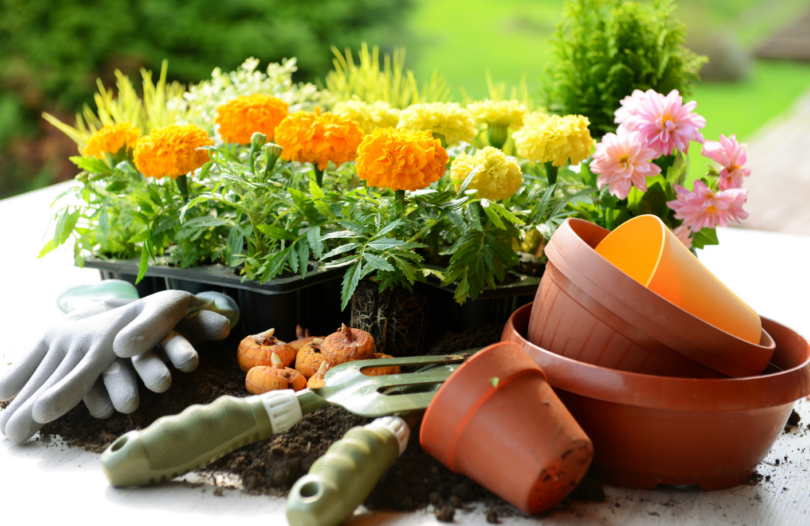

When I was younger, I would buy plants without paying attention to what they needed for success. I was only concerned with my color scheme or if I thought the plant was pretty (or in my case on sale). I have been known to plant Marigolds in the shade. The first week everything still looked OK. As the weeks went by the blooms disappeared and the plants grew tall and leggy, I continued to water and fertilize but with no success. Finally, by the first of August both I and the marigolds were tired. I ignored the final days of my marigold life and obviously she never got to be a showstopper since she was always dreaming of the sun.
We are all frustrated when our plants fail to flower. What are the reasons? Poor growth could be poor soil, or the soil could have been too hard, too wet, or too dry. I know this sounds like ‘goldilocks’ and the three bears. We want the plant to be just right. Therefore, we must know what growing conditions are best for each individual plant. I once planted roses in an area in the yard that was so barren even Bermuda grass was not interested in this soil. Fortunately, it was in full sunlight and the heavy clay soil proved to be rich so that the roses succeeded.
Improper fertilization, or over feeding plants is just as bad as under nourishment. This is why professionals always stress that you should start with a soil test. Nitrogen is what grass craves. Plants that produce flowers or fruit need a more balanced diet. Fertilizers are to plants what vitamins are to humans; they provide supplemental nutrients and minerals that might not otherwise be obtained. Fertilizers may be organic or synthetic, and you can purchase fertilizers formulated to promote the growth of a particular plant like azaleas.
Fertilizer has 3 numbers 6-12-12. The first ingredient listed on a box or bag is Nitrogen content. This is necessary for leaf growth and supplies plants with the proteins needed to create tissues. Nitrogen is abundant in the atmosphere but exists in a form that plants cannot use. Fertilizer is necessary to give plants the nitrogen they need.
Phosphorus is the second item listed and it helps plants grow roots and increases seed size. It aids plants in energy transfer and gives them a head start when it is time to produce flowers and fruit. Third is Potassium, it strengthens the stems of plants which helps with transporting water. This nutrient also improves disease resistance, helps plants make carbohydrates and regulates metabolic activities.
Too much fertilizer is detrimental, and causes burn due to the high concentration of nitrogen. I just experienced this summer when I dropped a bag of 34-0-0 on a grass path, the rain never came and now the grass tops are brown. I don’t think I have killed the grass, but I have hurt my cause.
Another problem is insufficient light. This is where my marigold story started. If you put a sun loving plant in shade don’t expect the flowers to continue. If the label instructs you about the care of your new plant and has a picture of the sun or “I love the sun.” It needs six to eight hours of sun per day. The reverse is true of putting a shade plant in the sun. The leaves will burn and growth will be stunted.
Too wet or too dry is a hard decision. If a plant wilts during a summer day but then perks back up during the night and looks fine in the morning your plant could be suffering from heat wilt, not water wilt. I watch my hydrangeas lay down and wilt each afternoon, but they look fine in the morning light.
I hope you have had a goldilocks summer. If not, don’t despair. The good thing about plants is that you get to try again next year.