

No matter the size of your yard, you can attract and enjoy a variety of birds. Even if you live within the city, simply planting flowers and shrubs that appeal to birds can make a big difference. Allowing faded blooms to remain on plants provides valuable seed heads for birds, turning your garden into a food source for your feathered visitors. This approach is not only beneficial for birds but also convenient for gardeners who prefer less maintenance. When guests visit, I often mention that while I would love a meticulously groomed garden, my affection for birds means I leave spent blooms to nourish my aviary friends.
Certain plants are especially effective at attracting songbirds, thanks to their appealing seed heads. Tall verbena, blanket flower, coneflower, cosmos, tickseed, and zinnias are all excellent choices for your garden.
I recently observed the positive impact of these plants during a visit to Knoxville, where a strip mall parking lot was alive with finches. It was a unique experience to hear the birds fluttering and singing as shoppers went about their day.
Different bird species have varying dietary requirements, which often change with the seasons. Warblers and vireos, for example, mainly consume insects, making fall migration important for their survival. In contrast, species like finches, grosbeaks, chickadees, and cardinals tend to remain in gardens year-round, benefiting from the seeds and shelter provided by your plants.
Ordering seeds for the upcoming spring and summer seasons is now easier than ever with a quick internet search. This allows you to offer something special for the birds in your neighborhood. When selecting fresh seeds for planting, consider several important factors to ensure a successful garden. First, it is essential to know vour hardiness zone; for example, Knoxville is in zone 7 b.
Next, test your soil to determine its pH level, nutrient content, and drainage characteristics. I have found that most soil samples recommend adding lime, and I particularly appreciate seeds that thrive even in less-than-ideal soil conditions. There are various types of seeds to choose from, including conventional, organic, open-pollinated, heirloom, hybrid, genetically modified, and treated seeds. Select the kind that best suits your preferences.
By considering these tactors, you can choose the right seeds for your garden and support your local bird population.
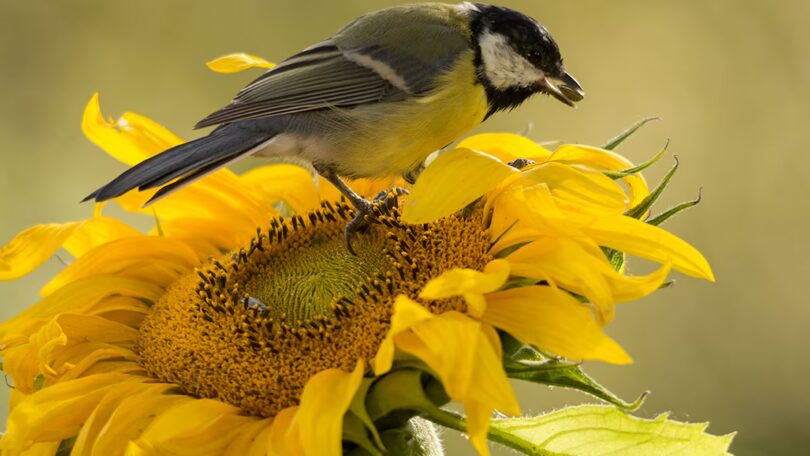
Sunflowers are particularly beloved by birds, making them the “queen’ of flowers for your garden. Birds enjoy all varieties, from large ‘Mammoth’ heads to multi-branching types like Valentine.’ Black oil sunflowers are especially beneficial, as their thin-shelled seeds are high in energy and easy for birds to crack open. I always keep black oil sunflower seeds in my feeder and have also grown sunflowers in a dedicated garden plot.
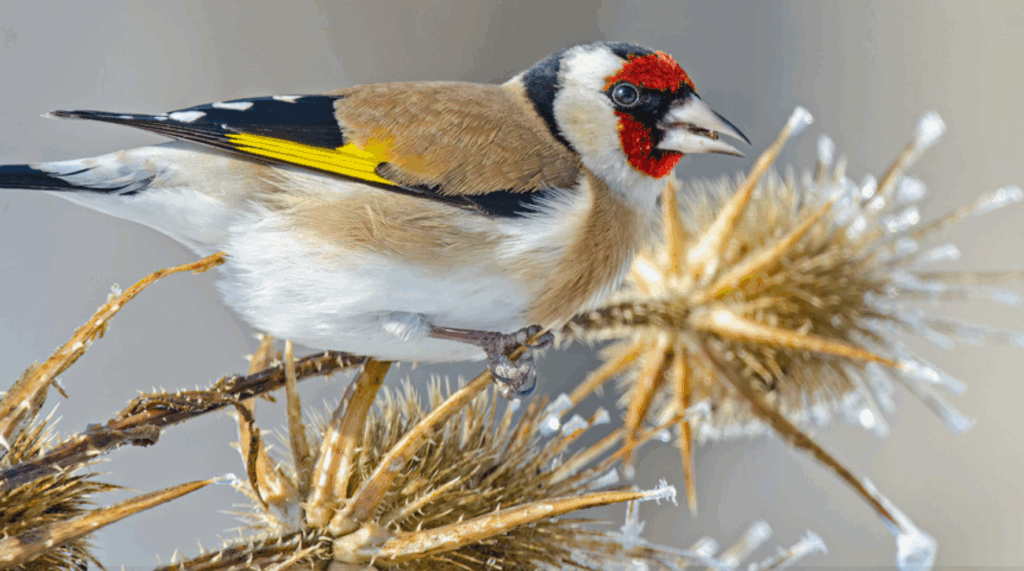
Watching goldfinches flutter away as I approach, only to retum once I’ve passed, is a magical experience. However, it is important to note that deer are fond of young sunflower plants and may eat them before they have a chance to produce seed heads. While watching birds is always rewarding, even local wildlife like a mother deer and her fawns seem to enjoy sunflowers.
In addition to food, water is essential for birds, particularly during harsh winters.
When setting out water, remember that birds prefer shallow depths of just one or two inches. To prevent slipping, place flat rocks at the bottom of the birdbath so birds have a secure place to perch. It’s also important to position shrubs nearby, giving birds a place to dry off and groom, since they are more vulnerable to predators when wet.
Avoid situating your birdbath in the middle of a large, open lawn, as birds prefer to have cover nearby. Thankfully, birds don’t require towels, but they do appreciate the safety and comfort provided by surrounding foliage.